Implementing sustainable systems through design, teaching & consulting.
Hi! I’m Brianna, a program manager with a decade of experience working across the environmental and educational sectors. This site is a living portfolio, an evolving record of my work across systems, landscapes and learning environments. It’s a record of how I apply a rigorous critical lens to every project I pursue - translating systemic theory into resilient, localized initiatives that create meaningful impact.
My work sits at the intersection of community development and ecological conservation, where I help organizations and land-based projects navigate the complexities of growth and systemic transition. I specialize in designing and implementing site-specific strategies that honor the unique ecological and social contexts of the the communities they serve.

Professional Experience
Cross-Functional Program Leadership: Directed large-scale operational logistics and strategic development for environmental initiatives across the public and private sectors—managing a $16M+ annual revenue pipeline and streamlining coordination for a portfolio of 300+ institutional partners.
Global Perspective & Multilingual Engagement: Delivered technical analysis and community-centered solutions in both English and Spanish across North America, South America, and Europe.
Systems Design & Curricular Innovation: Developed and deployed specialized environmental STEM programs and technical land-use strategies—using tools like QGIS to turn complex data into resilient, hands-on learning environments and site-specific restoration projects.
Education
M.S. Sustainable Development | Utrecht University, Netherlands
B.A. International Studies & Environmental Studies | University of Wisconsin - Madison, USA
Permaculture Design Certified | Oregon State University, USA
Taming the Giants: A Roadmap for Strategic Community Partnerships
The Bronx, New York
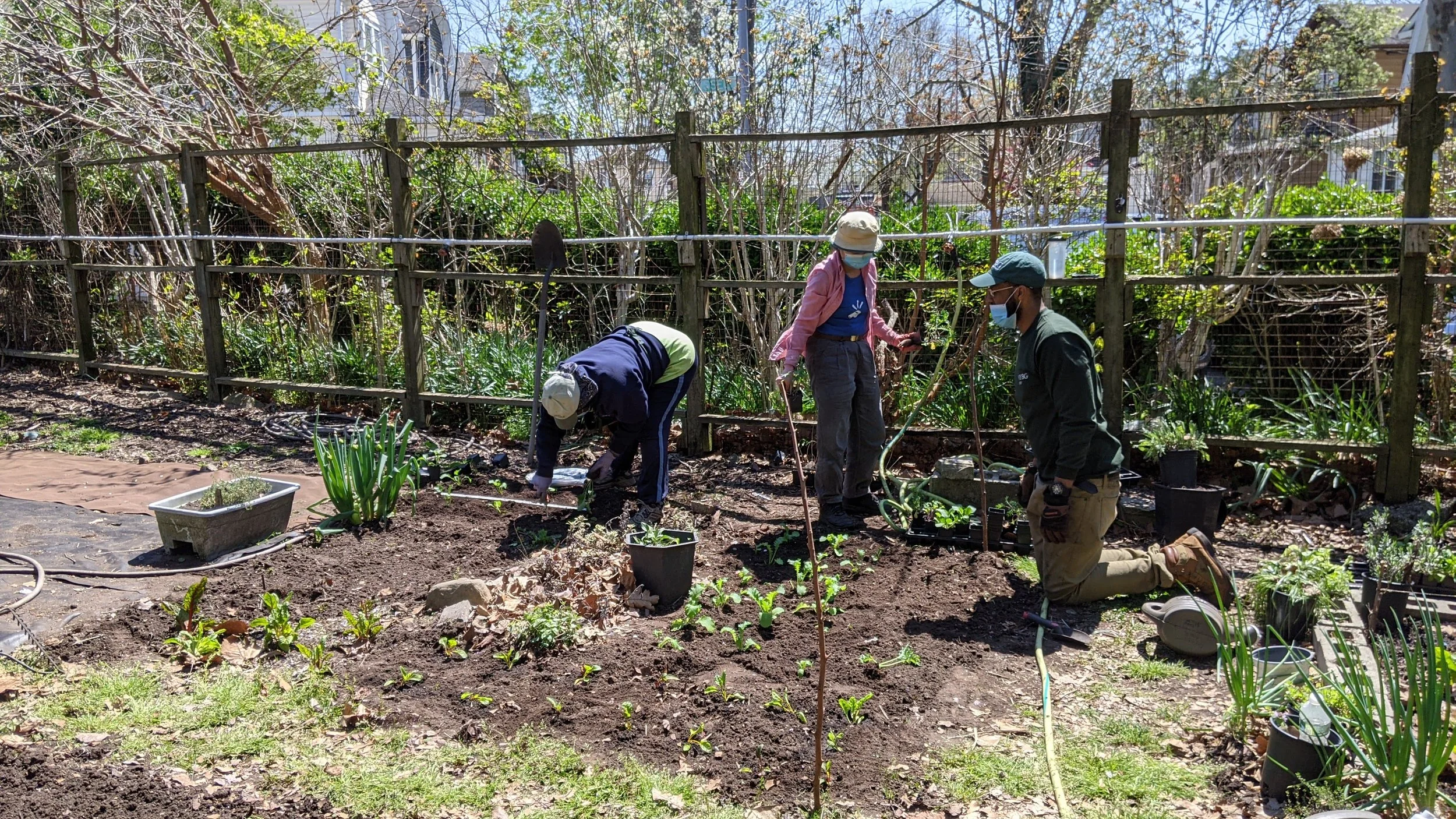
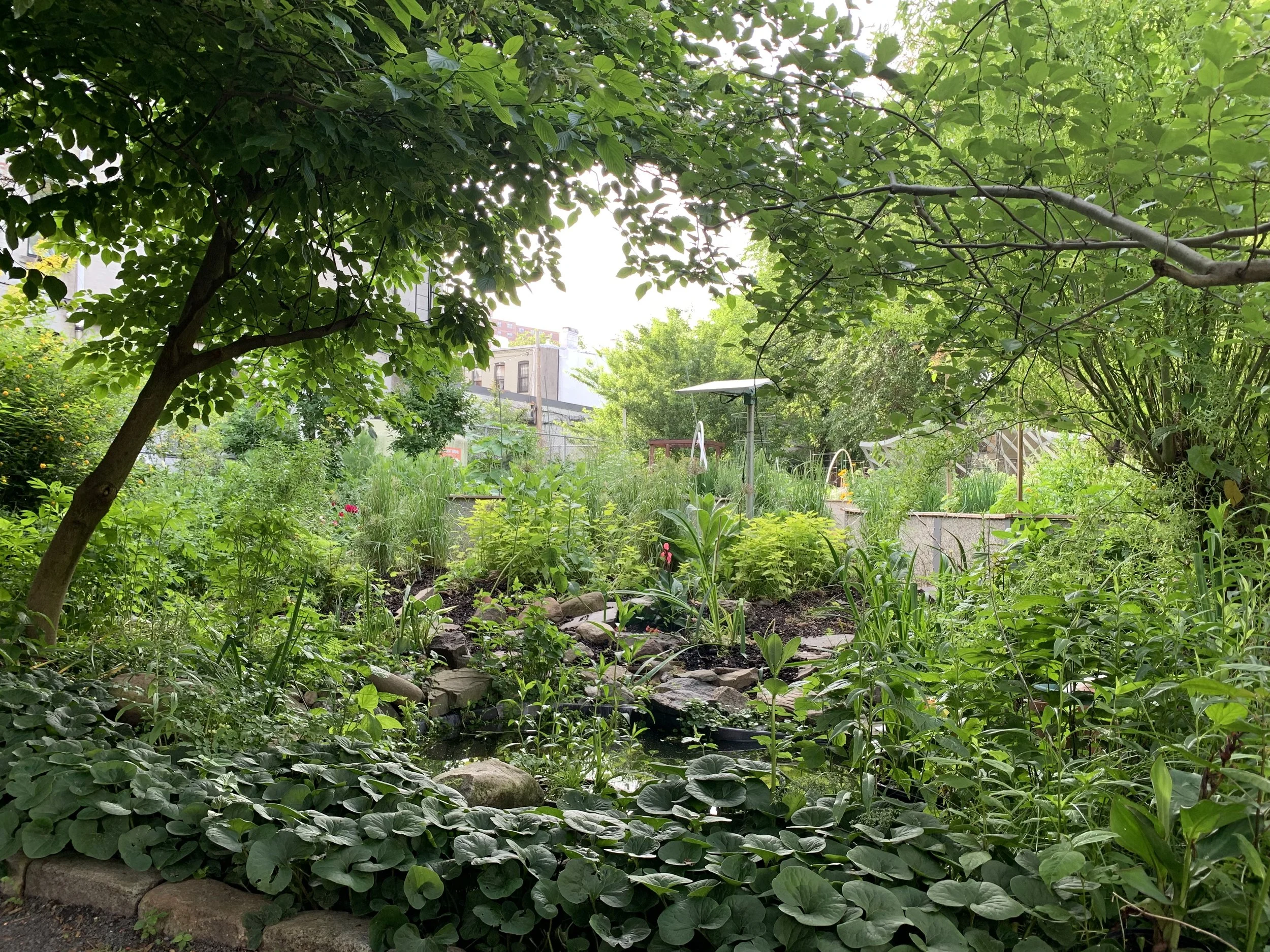
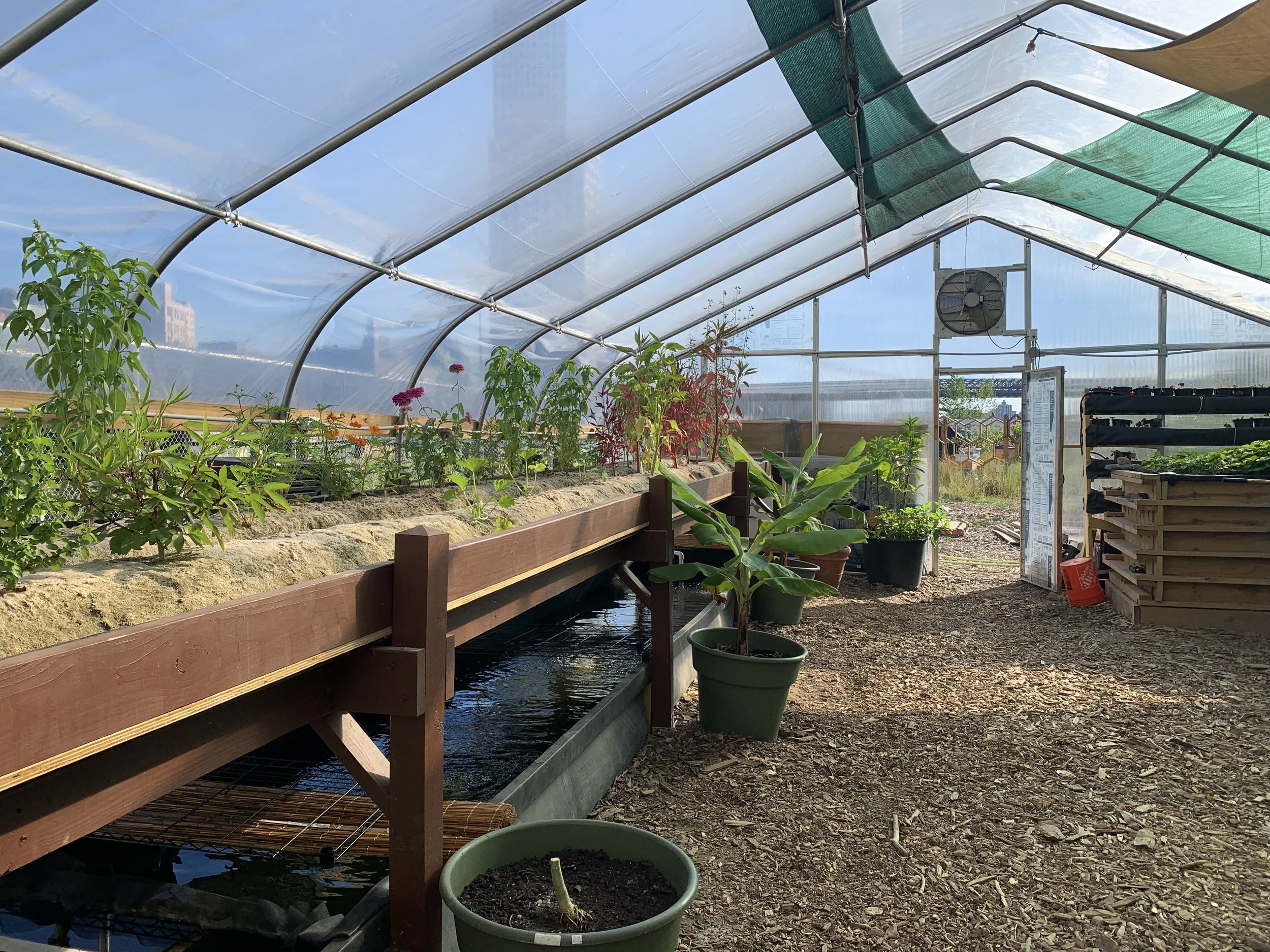
Overview: In this project, I collaborated with four community garden organizations to examine how grassroots groups can optimize their partnership networks while remaining grounded in their mission and values. Using stakeholder mapping and power analyses, I helped these groups identify which partnerships truly supported their goals and where they faced risks of mission drift or cooptation. The project resulted in practical, actionable strategies for building strategic networks, maintaining community trust, and navigating complex institutional relationships as organizations scale. For the full thesis, read here.
Challenge: Grassroots innovations groups often operate in an environment dominated by "regime giants” - the landowners, grant-makers, and supermarket monopolies - that hold structural power. While community gardens rarely struggle to win local support or build social capital, they often find themselves negotiating for the structural power required for long-term survival. In this landscape, partnerships are more than just collaborations; they are the key to resilience and sustainability.
Solution: Rather than measuring surface-level alignment, I designed a Strategic Autonomy & Impact Matrix (SAIM) to measure structural substitutability (the ease with which an organization can replace specific resources) and decision-making leverage (the degree of control external actors exert over the organization). By plotting stakeholder relationships on this matrix, organizations can identify where they are functionally trapped. The SAIM provides a clear roadmap for transitioning from restrictive, dependent relationships toward adaptive, professional partnerships. It empowers grassroots groups to move from being passive recipients of support to partners with structural integrity—all without compromising their core mission.
Scaling Up: The delicate balance between autonomy and dependency isn’t just a challenge for a neighborhood garden, it’s a fundamental law of organizational physics. When a business, no matter the size, fails to evaluate its agility and resilience, a single shift in government policy or a disruption in a non-substitutable supply chain can paralyze its entire operational system. By applying the Strategic Autonomy & Impact Matrix (SAIM) at scale, a corporation can identify which partnerships are true allies that drive innovation, and which risk threatening its long-term independence and strategic mission. Whether you are managing an acre of urban land or a multi-tiered global supply chain, the imperative remains the same: building a system robust enough to absorb external resources without surrendering the internal values that define its success.
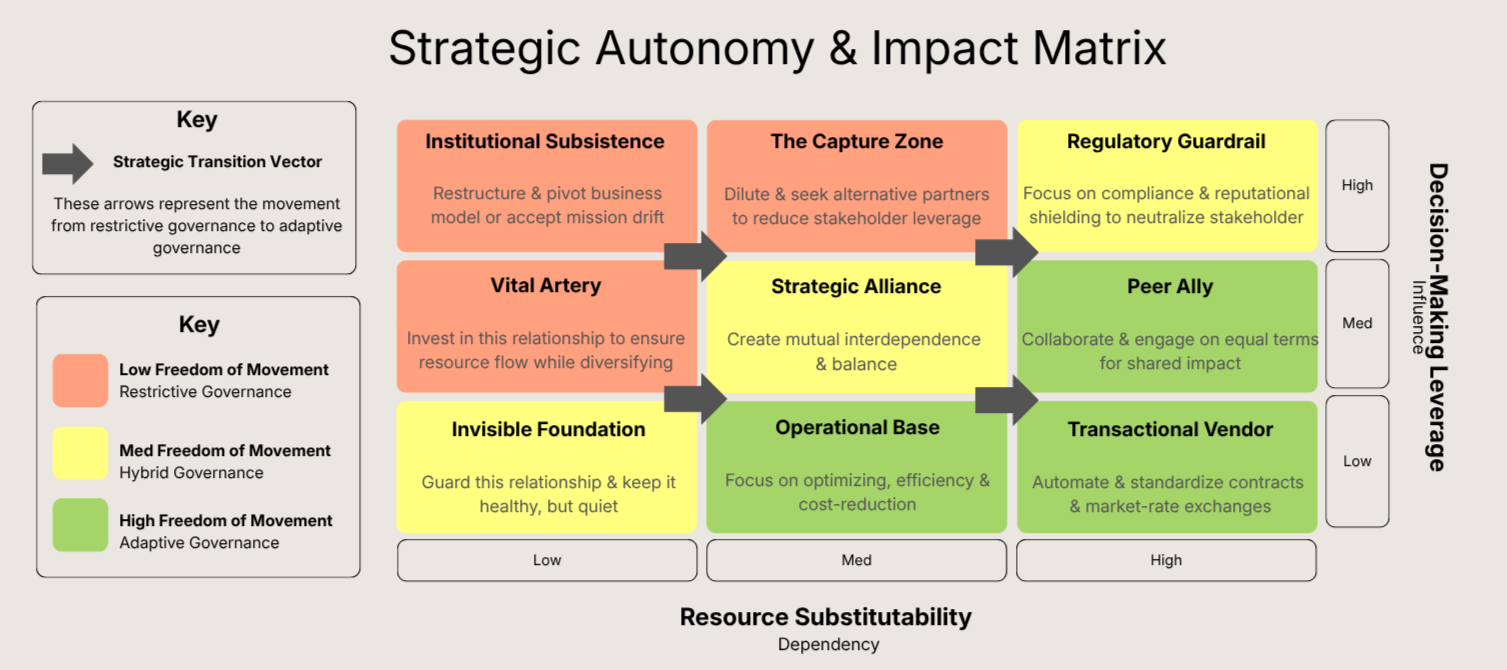
How To Use This Matrix:
PLOT: Place stakeholders on the grid based on their substitutability (how easy they are to replace) and their leverage (influence on your decisions).
MOVE RIGHT (Reduce Dependence): For stakeholders on the left (especially in 'Capture'), your priority is to find alternative partners or resources.
MOVE DOWN (Formalize Independence): For stakeholders at the top (with high leverage), use contracts, bylaws, and board structure to reduce their formal power over your mission.
THE WIN: Strategic actions should always move stakeholders to the bottom-right green quadrant, securing your organization's mission.
Permaculture Principles for Ecological Resilience
Tenerife, Spain
Overview & Challenge: For this project, I collaborated with clients who recently restored a historic property in Tenerife, Spain. While operating a vacation rental on the grounds, they faced three major environmental hurdles: frequent power outages, relentless trade winds, and the harsh combination of porous volcanic soil and calima (Saharan dust storms) that left the earth parched and cracked. To build a resilient ecological system, I looked at the land through a permaculture lens: every element—soil, water, wind, and wildlife—must be integrated to perform multiple functions that support the health of the whole.
Design: The process began with a comprehensive base map. To create an accurate digital copy of the landscape, I layered public topographic datasets and satellite imagery with my own field observations. I wove these data points together using a suite of tools including Google Earth Pro, QGIS, Inkscape, and Canva.
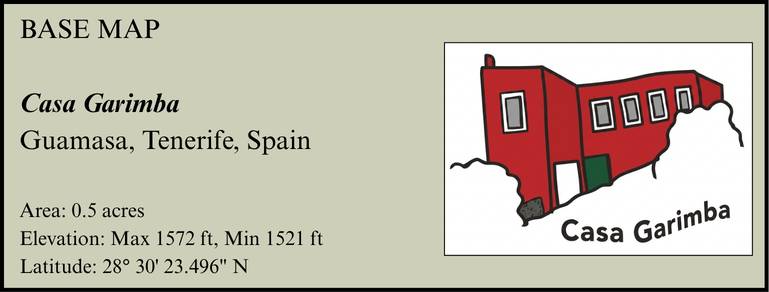
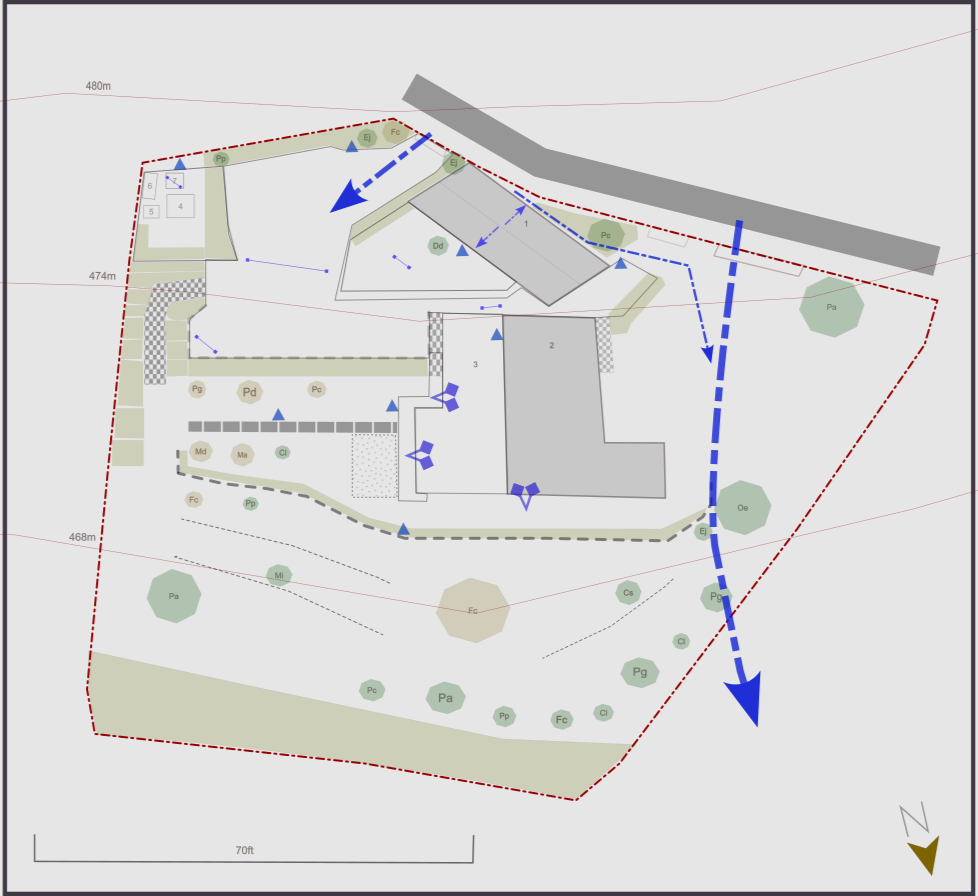
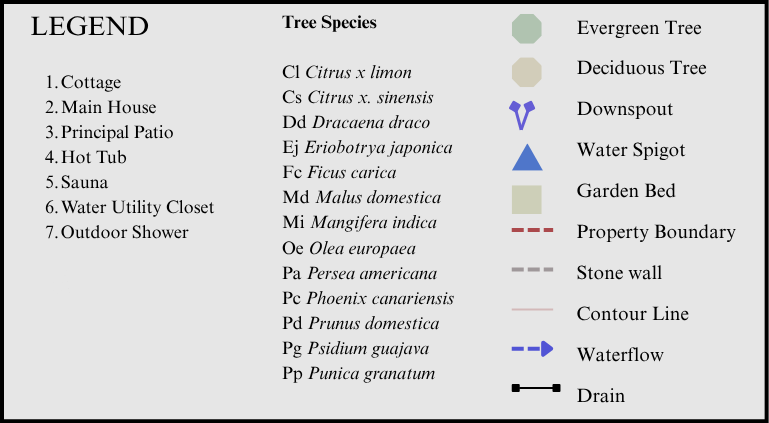
Water Management: The first layer of the map identifies the site’s hydrological flow. By locating downspouts and observing pooling patterns during heavy rains, I pinpointed exactly where water harvesting strategies could intervene.
The front patio served as the first intervention site. Previously, valuable roof runoff was not being utilized. To capture and redirect this water toward the garden, thereby reducing the need for manual irrigation, I implemented the following:
Clearing: Weeded the front garden beds to prepare the soil.
Containment: Lined the area with a durable liner and backfilled it with picon (local volcanic rock) to aid filtration and moisture retention.
Redirection: Used recycled roof tiles to create natural channels that guide runoff directly to the root zones of the plants.
This patio now functions as a semi-permeable "sponge," significantly lowering the property’s total water demand through passive harvesting.
Experiential Learning Design
Hudson Valley, New York
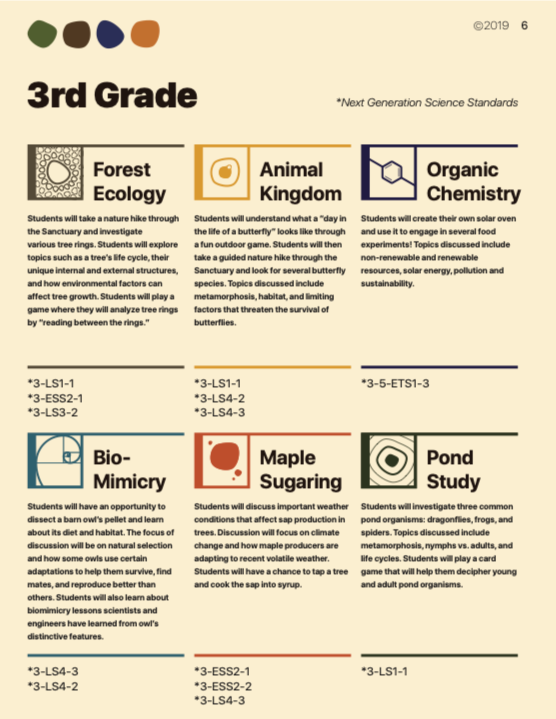
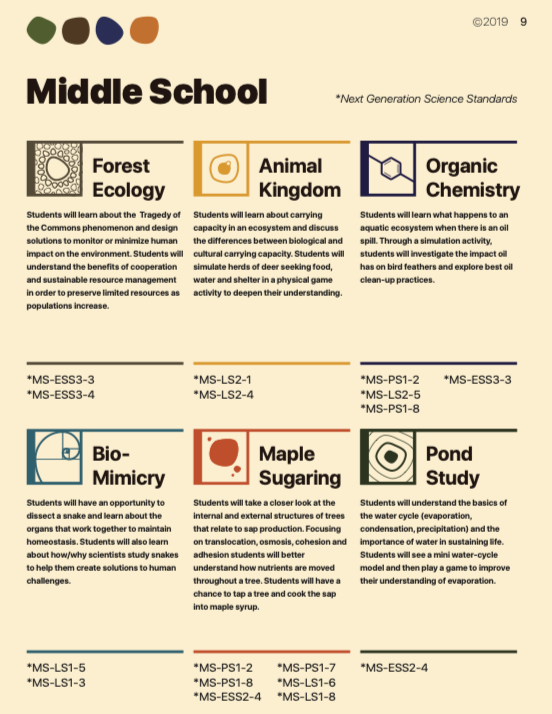
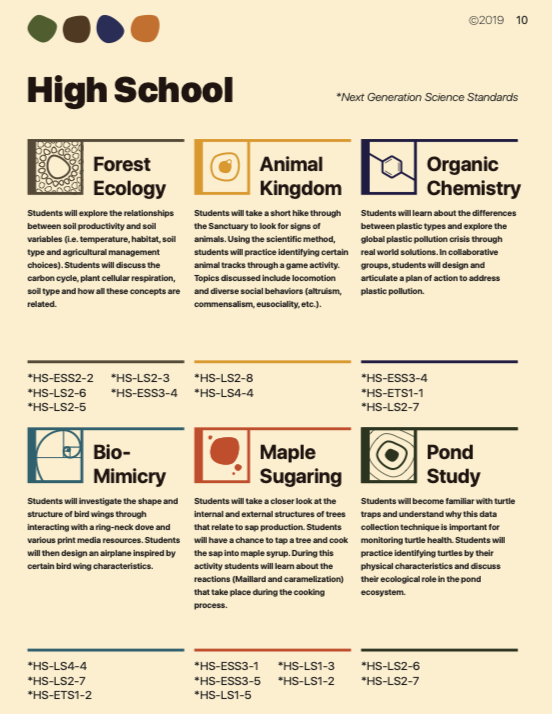
Overview: Westmoreland Sanctuary is a 640-acre nature preserve in New York that provides environmental science education to over 8,000 students annually. I partnered with the Sanctuary to modernize their curricula and pedagogical approach.
Challenge: The primary objective was to formalize and update existing educational materials to align strictly with New York’s Next Generation Science Standards. This required a strategic integration of state requirements with the unique physical assets of the site, ensuring that both the expansive 640-acre preserve and its museum functioned as primary learning tools.
Solution: Using experiential pedagogy as the foundational framework, I authored over 55 environmental STEM curricula spanning Pre-K through High School. By leveraging the preserve as a "living laboratory," these modules transition students from passive observers to active participants in their local ecosystem. This comprehensive guidebook ensures that every lesson is both academically rigorous and deeply rooted in the surrounding natural environment. For the full guidebook, see here.