ABOUT
Hi! I’m Brianna. I design, fund, and implement place-based environmental and educational programs that bridge ecological systems and local priorities.
This site is an evolving portfolio of selected projects, research, and field-based work spanning environmental stewardship, operational systems design, and community resilience.
OPPORTUNITIES
I’m currently open to leadership roles, consulting projects, and collaborative opportunities that advance sustainability, community resilience, and systems-level change.
I'm particularly interested in opportunities at the intersection of sustainable development, regenerative landscapes, food systems, and environmental education, where I can translate interdisciplinary ideas into fundable, operational programs, partnerships, and measurable outcomes.
If you're building something aligned with these values, I'd love to connect.
EXPLORE WORK
GET IN TOUCH
briannagutierrez18@gmail.com
01
The Bronx, New York, USA
Taming the Giants
A Roadmap for Strategic Community Partnerships
OVERVIEW
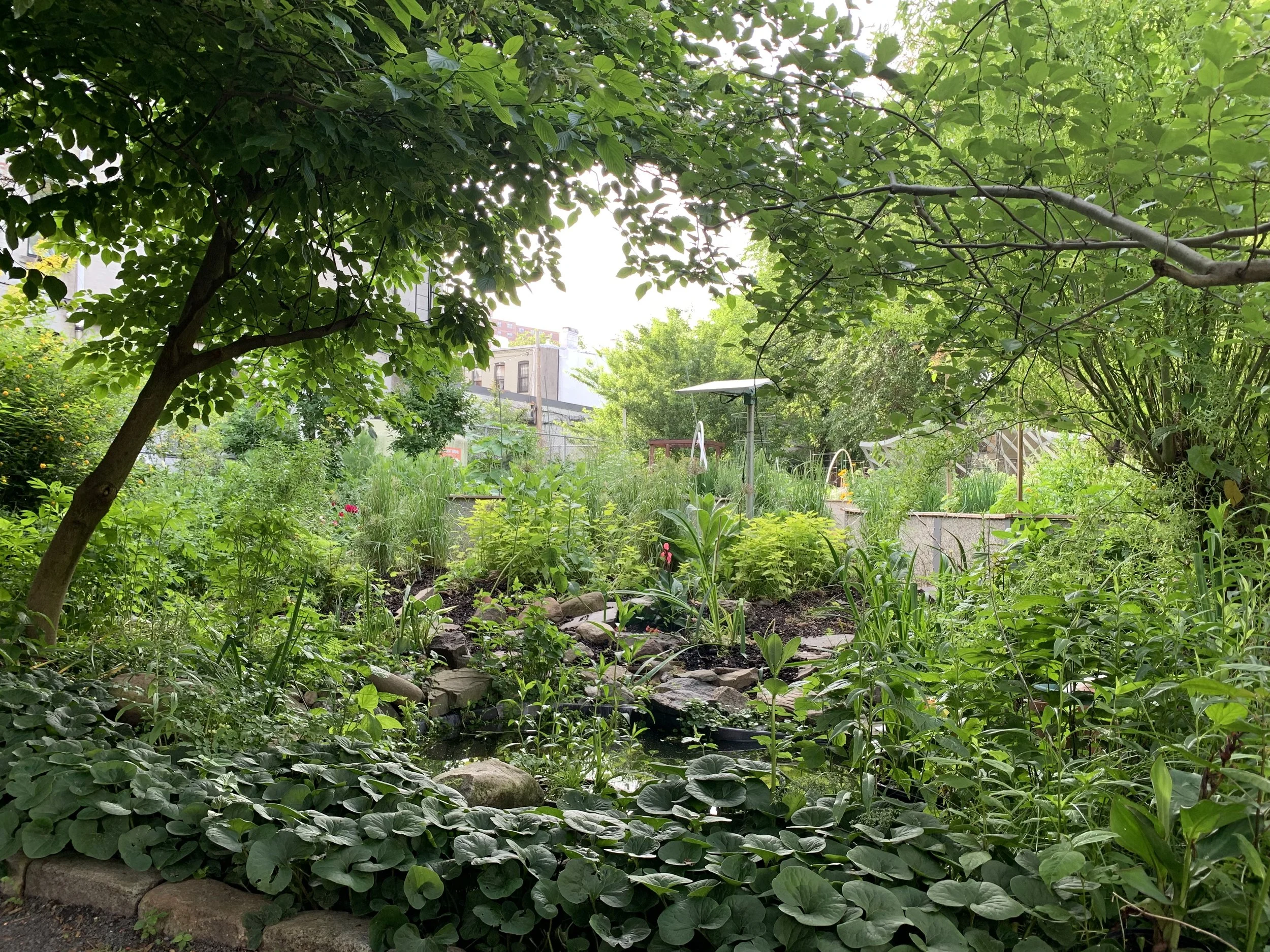
In this project, I collaborated with four community garden organizations to examine how grassroots groups can optimize their partnership networks while remaining grounded in their mission. Using stakeholder mapping and power analyses, I helped these groups identify which partnerships truly supported their goals and where they faced risks of mission drift or cooptation.
The project resulted in practical recommendations for building strategic networks, maintaining community trust, and navigating complex institutional relationships as organizations scale.
For the full thesis, read here.
CHALLENGE
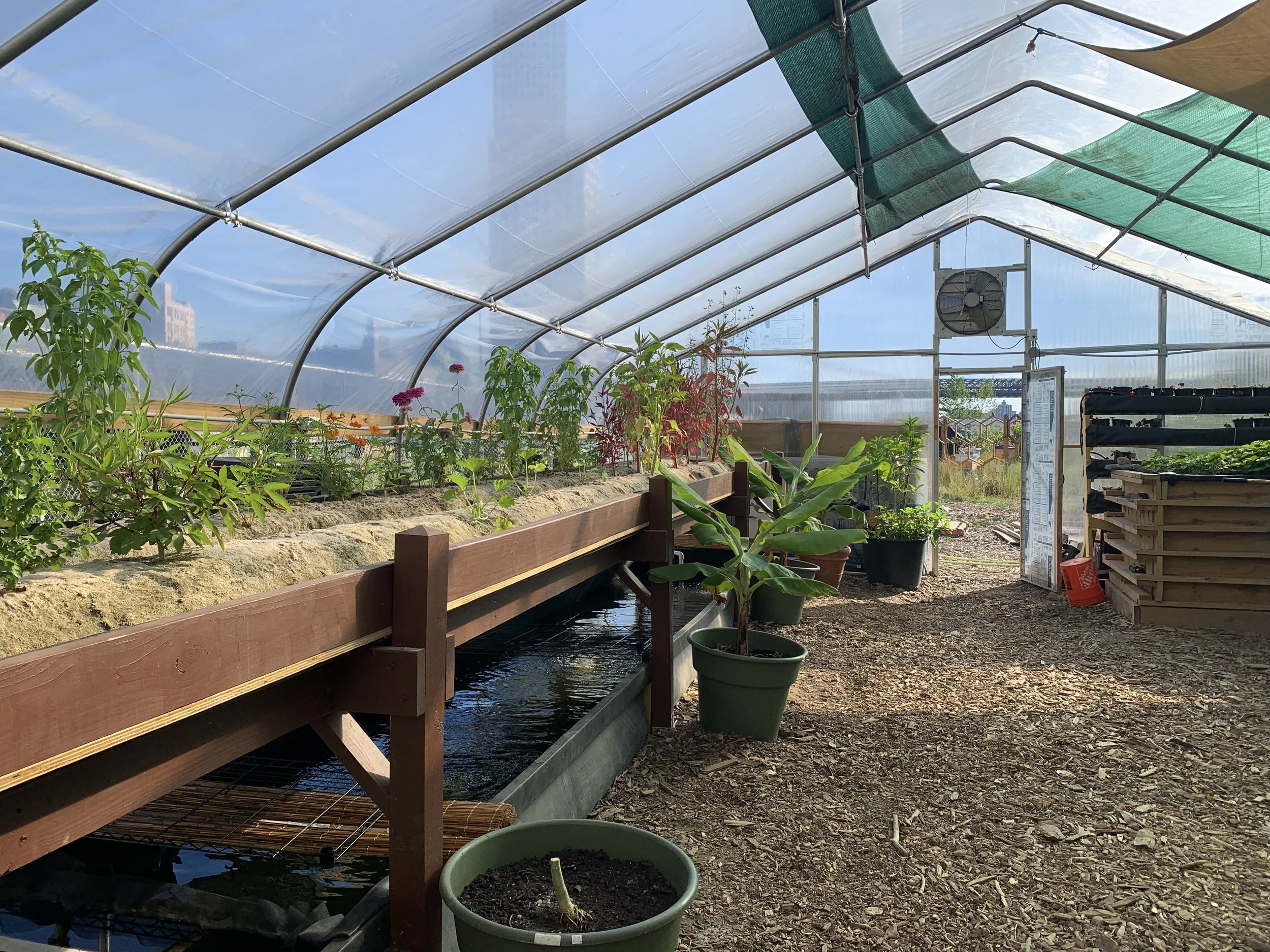
Grassroots groups often operate in an environment dominated by "regime giants” that hold structural power. These are the landowners, grant-makers, and supermarket monopolies. While community gardens rarely struggle to win local support or build social capital, they often find themselves negotiating for the structural power required for long-term survival.
In this landscape, partnerships are more than just collaborations; they are the key to resilience and sustainability.
SOLUTION
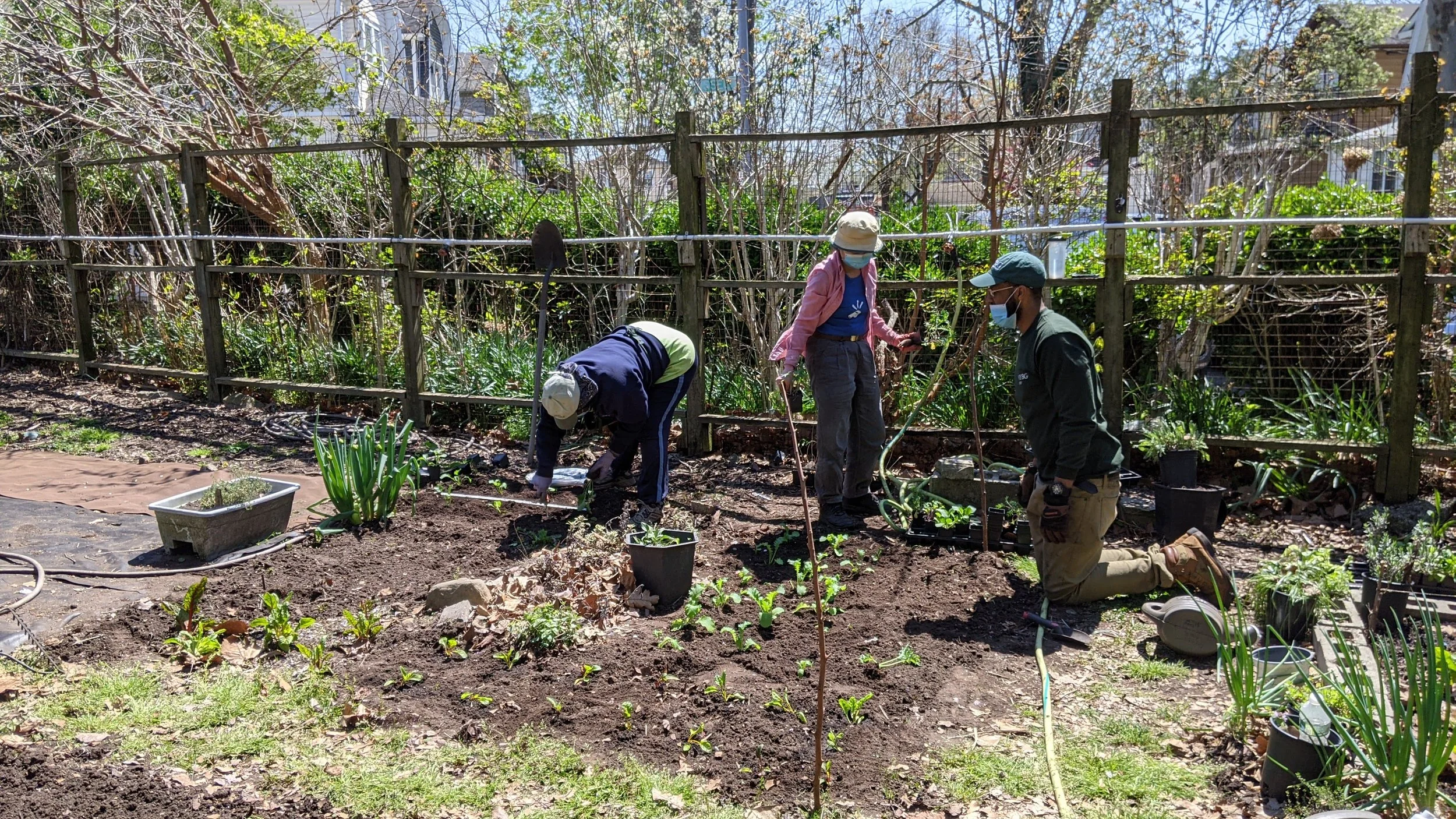
I developed an original Strategic Autonomy Matrix (SAM) as an analytical framework to help organizations assess structural dependency risks in stakeholder relationships. By using this matrix, organizations can identify where they are functionally trapped.
The SAM provides a clear roadmap for transitioning from restrictive, dependent relationships toward adaptive partnerships. It empowers grassroots groups to move from being passive recipients of support to partners with structural integrity, without compromising their core mission.
SCALING UP
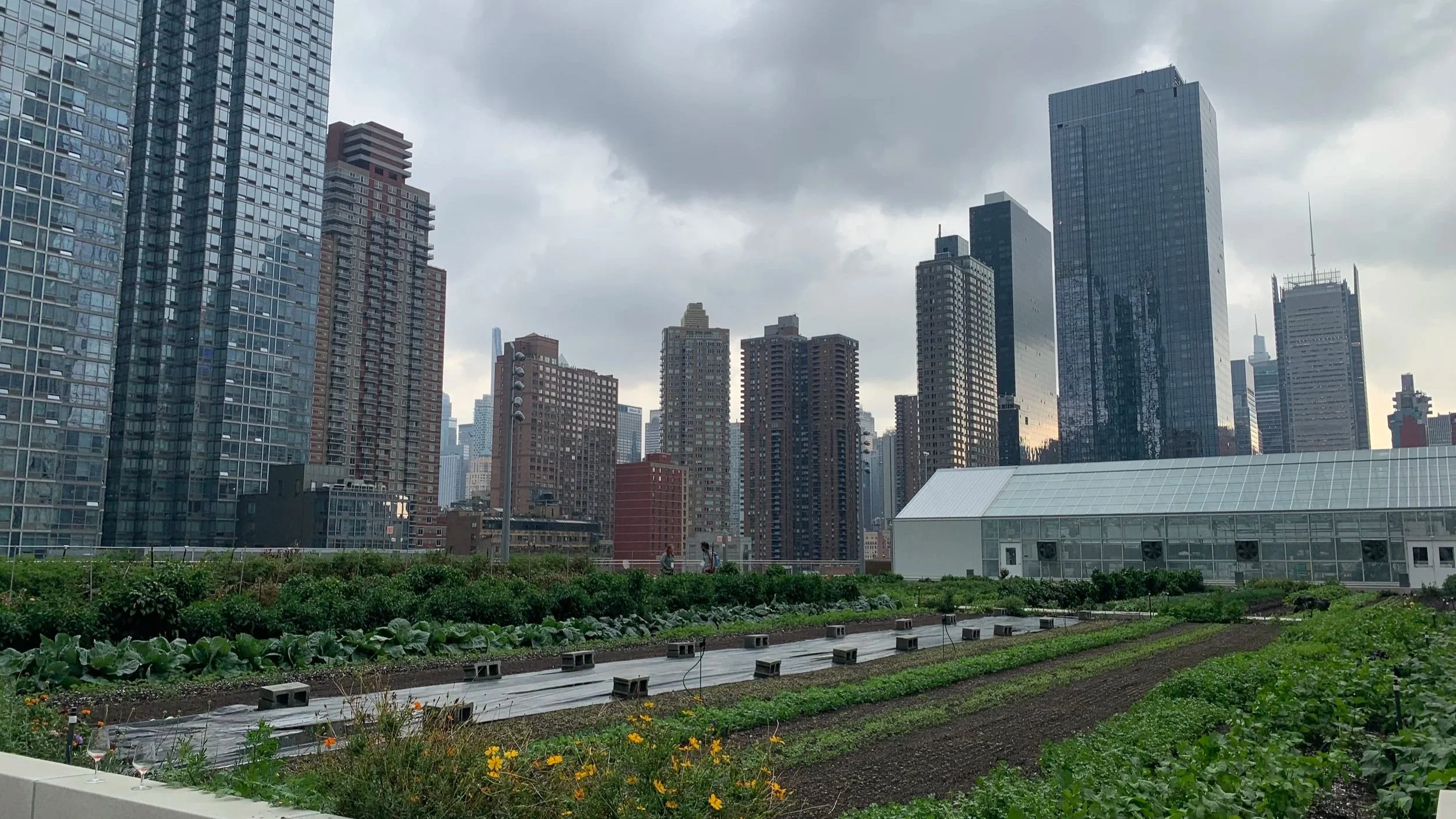
The balance between autonomy and dependency isn’t just a challenge for a neighborhood garden, it applies to any enterprise. When a business, no matter the size, fails to evaluate its agility and resilience, a single shift in government policy or a disruption in a supply chain can paralyze its entire operational system. By applying the SAM at scale, a corporation can identify which partnerships are true allies that drive innovation, and which risk threatening its long-term independence and strategic mission.
IMPLEMENTATION
Strategic Autonomy Matrix



Decision-making Leverage
Influence
HIGH



MED



LOW
Resource Sustainability
Dependency
HIGH
LOW
MED
MATRIX KEY
Low Freedom of Movement
Restrictive governance
Med. Freedom of Movement
Hybrid governance
High Freedom of Movement
Adaptive governance
HOW TO USE THE MATRIX
PLOT
Place stakeholders on the grid based on their substitutability (how easy they are to replace) and their leverage (influence on your decisions).
MOVE RIGHT
Reduce Dependence: For stakeholders on the left, your priority is to find alternative partners or resources.
MOVE DOWN
Formalize Independence: For stakeholders at the top, use contracts, bylaws, and board structure to reduce their formal power over your mission.
THE WIN
Strategic actions should always move stakeholders to the bottom-right green quadrant.
02
Guamasa, Tenerife, ESP
Casa Garimba
Permaculture principles for ecological resilience
0.59 acres
1521 feet — 1572 feet
28° 30’ 23.496”N
AREA
ELEV.
LAT.
OVERVIEW
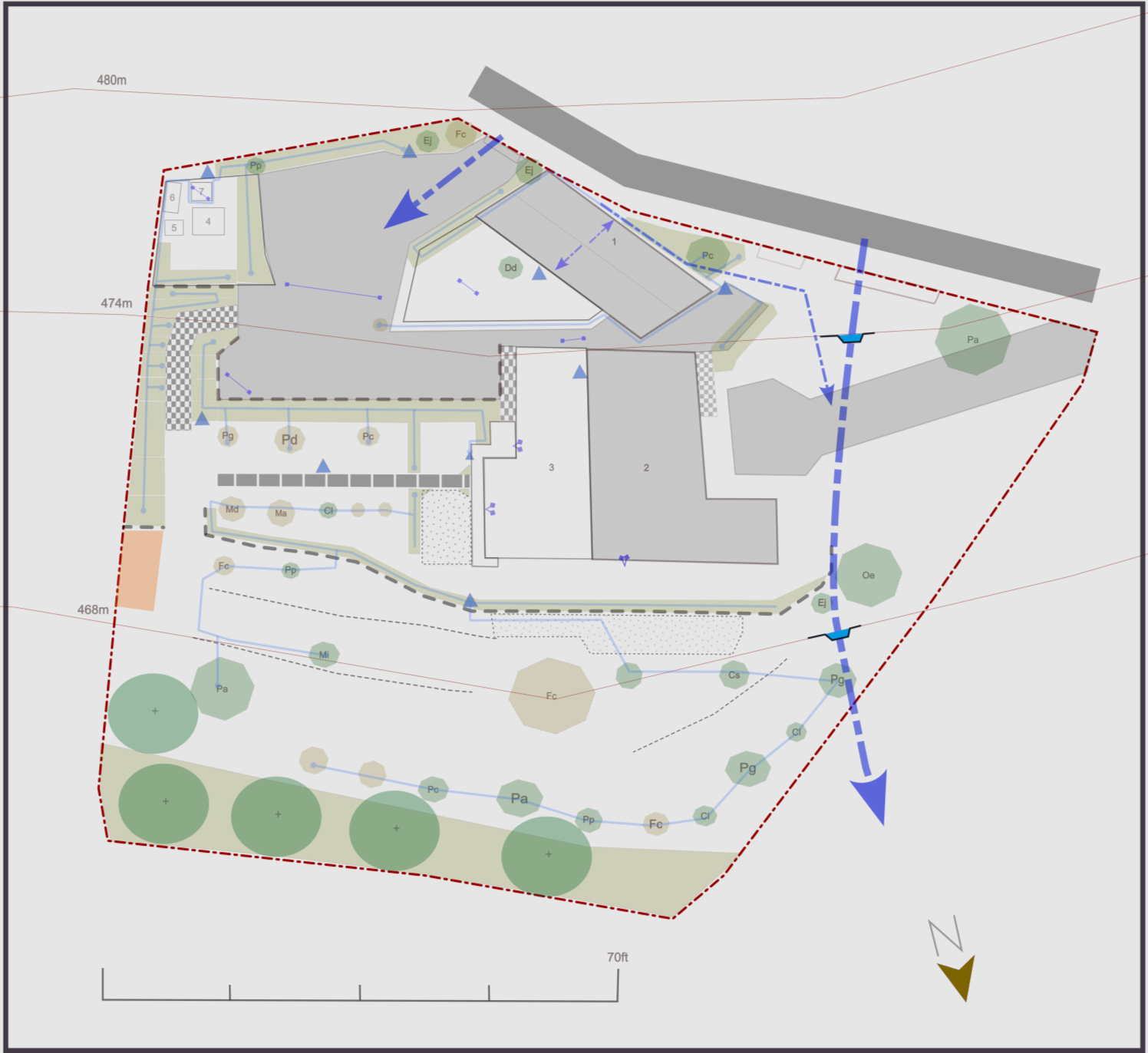
For this project, I collaborated with clients who recently restored a historic property in Tenerife, Spain. They faced three major hurdles on this site: frequent power outages, relentless trade winds, and the harsh combination of porous volcanic soil and calima (Saharan dust storms) that leave the ground regularly dry and cracked. To build a resilient ecological system, I looked at the land through a permaculture lens, making sure every element — soil, water, wind, and wildlife — was well integrated to support the health of the whole.
DESIGN
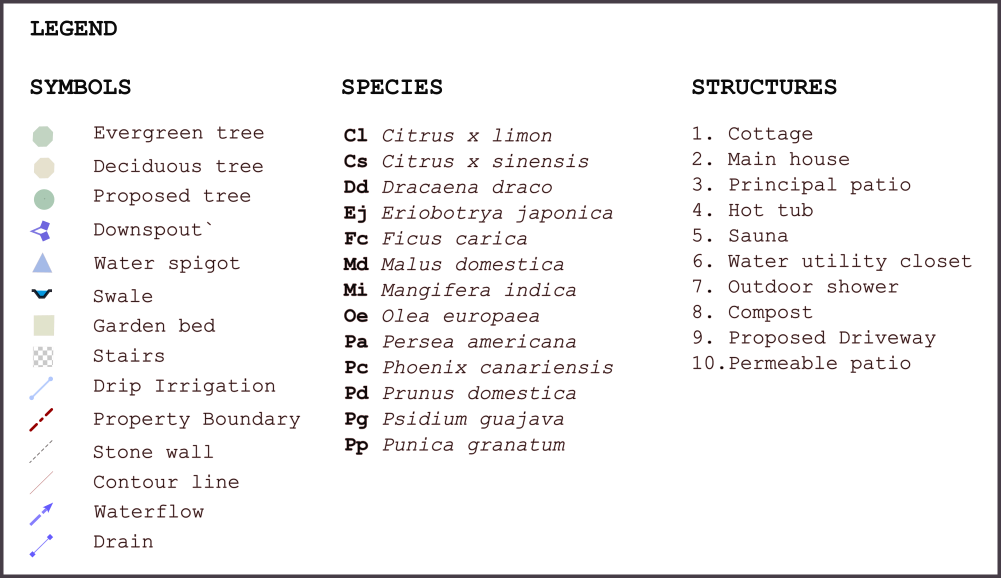
The process began with developing a comprehensive base map. To create an accurate description of the landscape, I layered public topographic datasets and satellite imagery with my own field observations. I wove these data points together using a suite of tools including Google Earth Pro, QGIS, Inkscape, and Canva.
WATER MANAGEMENT
The first intervention addressed water flow around the main house. By locating downspouts and observing pooling patterns during heavy rains, I identified exactly where water harvesting strategies would be most effective.
Previously, valuable roof runoff was underutilized. To capture and redirect this water toward the garden beds, I implemented the following:
Site Preparation
Cleared existing vegetation to prepare the soil for improved infiltration.
Containment
Lined the area with a durable barrier and backfilled with picon (local volcanic rock) to enhance moisture retention.
Redirection
Modified the sidewalk grade with cement to intercept runoff, directing it into a channel of recycled roof tiles that guides the flow toward the plant root zones.
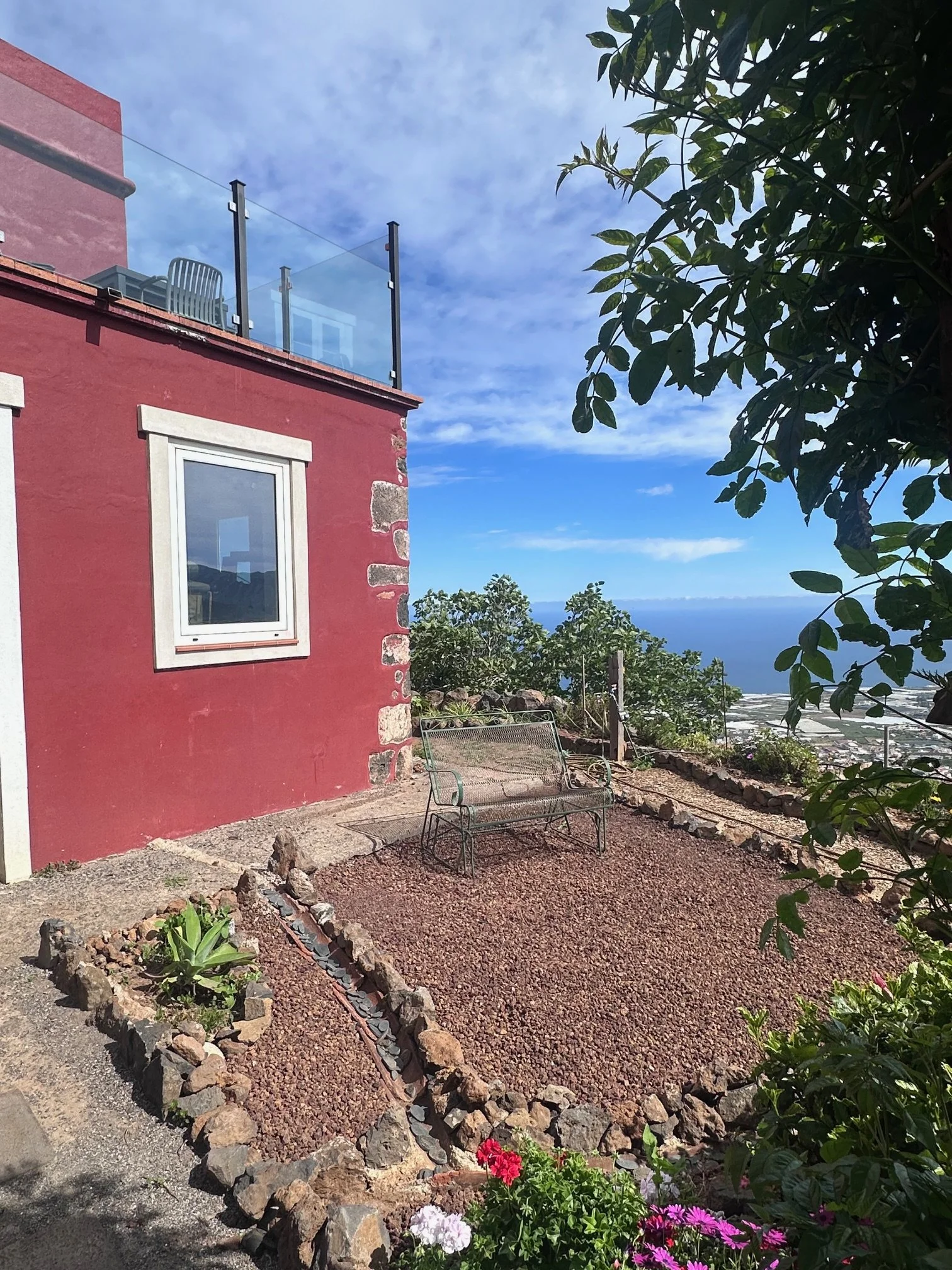
This patio now functions as a semi-permeable “sponge,” lowering the property’s total water and labor demand through passive harvesting.
FUTURE MANAGEMENT
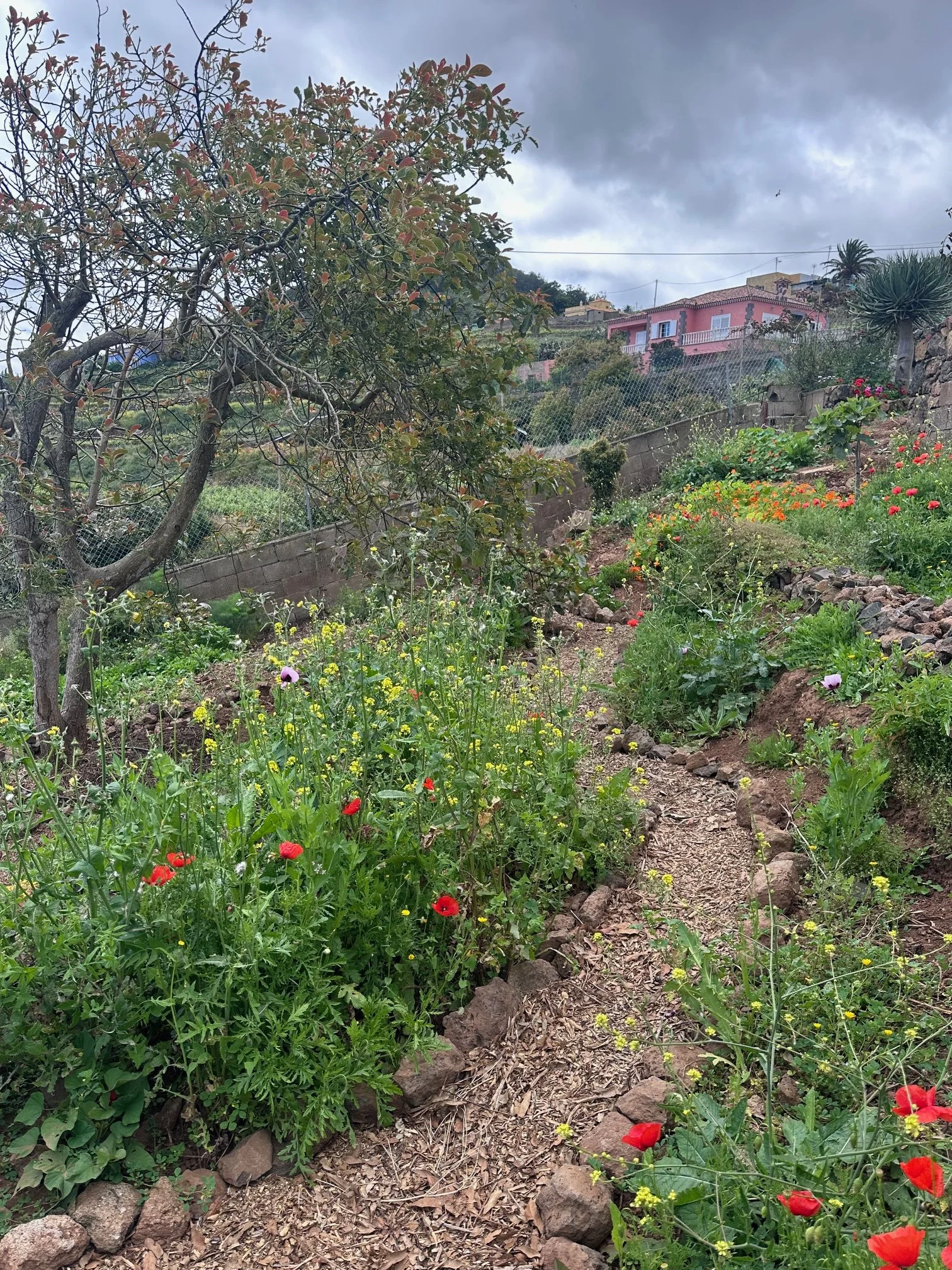
I am currently developing a comprehensive natural resource inventory and management plan to assess and support the property’s long-term ecological health and resilience. Current planning efforts include the design of site-specific polyculture guilds intended to mitigate the impacts of northeastern trade winds while adapting to the property’s diverse microclimates.
03
Hudson Valley, New York, USA
Westmoreland Sanctuary
Experiential learning design
OVERVIEW
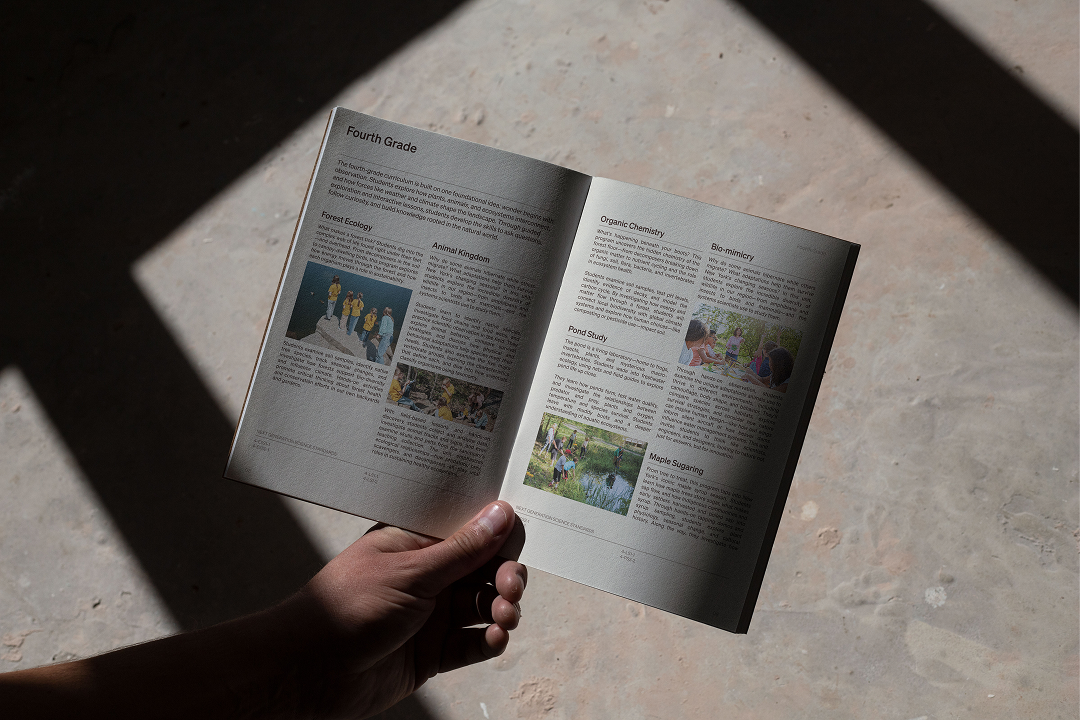
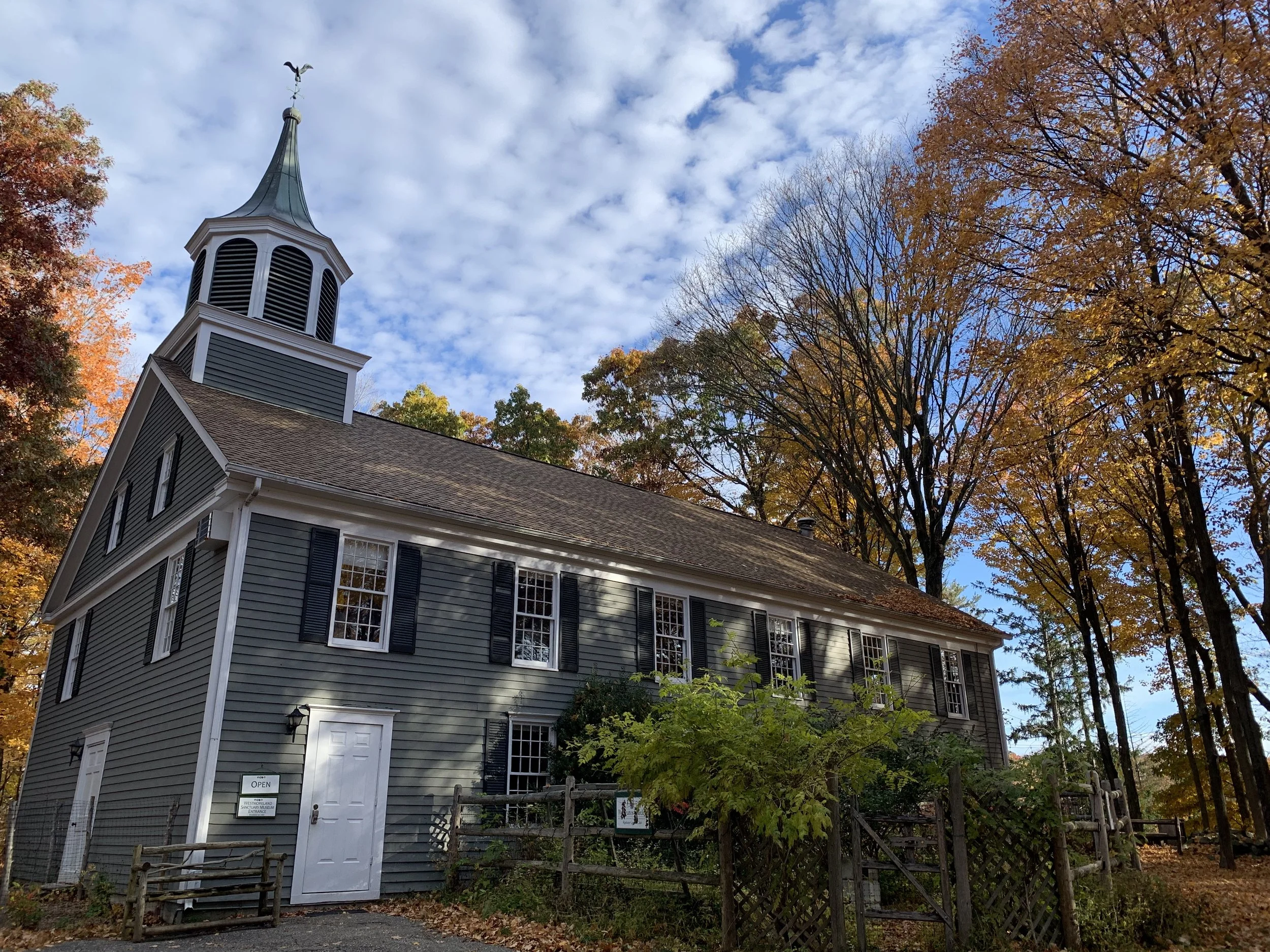
Westmoreland Sanctuary is a 640-acre nature preserve in New York that provides environmental science education to over 8,000 students annually. I partnered with the Sanctuary to modernize their curricula and pedagogical approach.
CHALLENGE
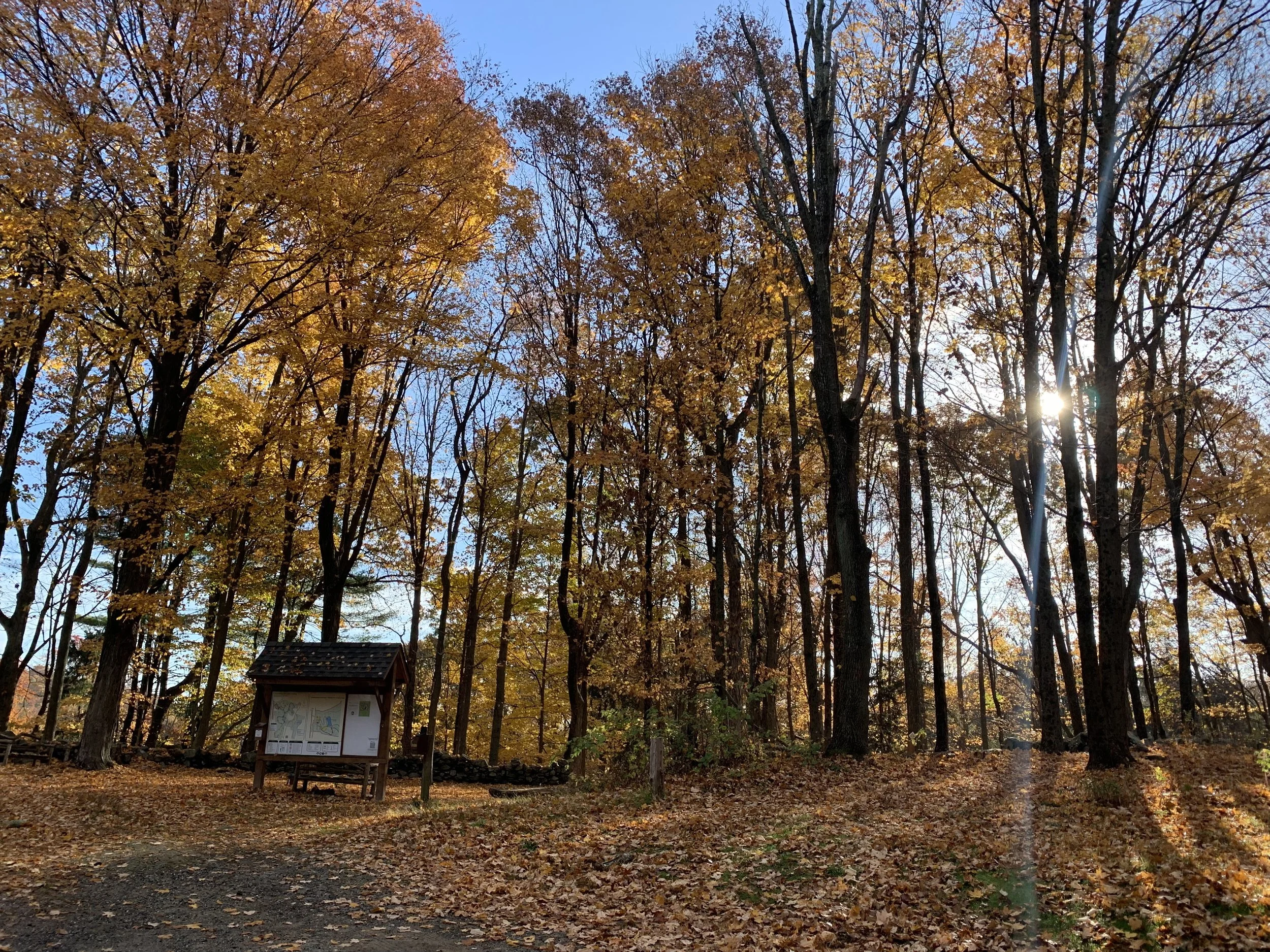
The primary objective was to formalize and update existing educational materials to align with New York’s Next Generation Science Standards. This required integrating state requirements with the unique physical assets of the site, ensuring that both the expansive 640-acre preserve and its museum functioned as primary learning tools.
SOLUTION
Using experiential pedagogy, I authored over 55 environmental STEM curricula for grades Pre-K - High School. By leveraging the preserve as an outdoor classroom, these modules transition students from passive observers to active participants in their local ecosystem. This curricula ensures that every lesson is both academically rigorous and deeply rooted in the local environment.
For the full guidebook, see here.
IMPACT
I secured $465,000 in grant funding (a 220% increase) to scale regional environmental programming and ensure long-term curriculum viability. The fiscal growth enabled the organization to scale its educational programming while simultaneously expanding its capacity to lead regional ecological conservation initiatives.
SKILLS
Program Management
Operational Optimization
Cross-Cultural Collaboration
Stakeholder Engagement
Systems Design
Fundraising & Partnerships
EDUCATION
M.S. Sustainable Development
Utrecht University, NLD
B.A. International Studies & Environmental Studies
University of Wisconsin - Madison, USA
Permaculture Design Certified
Oregon State University, USA