RETHINKING SUSTAINABLE TOURISM
6.22.26
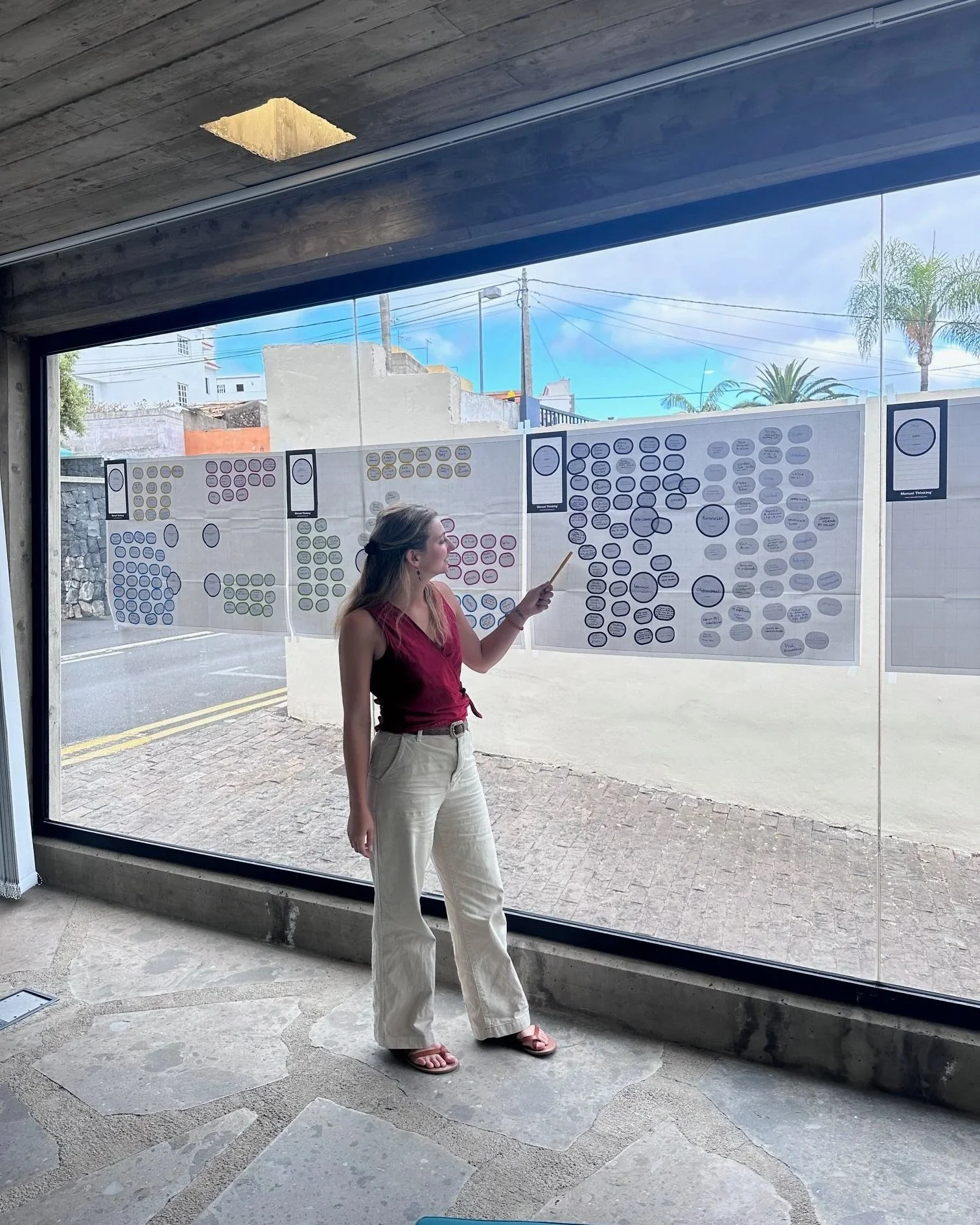
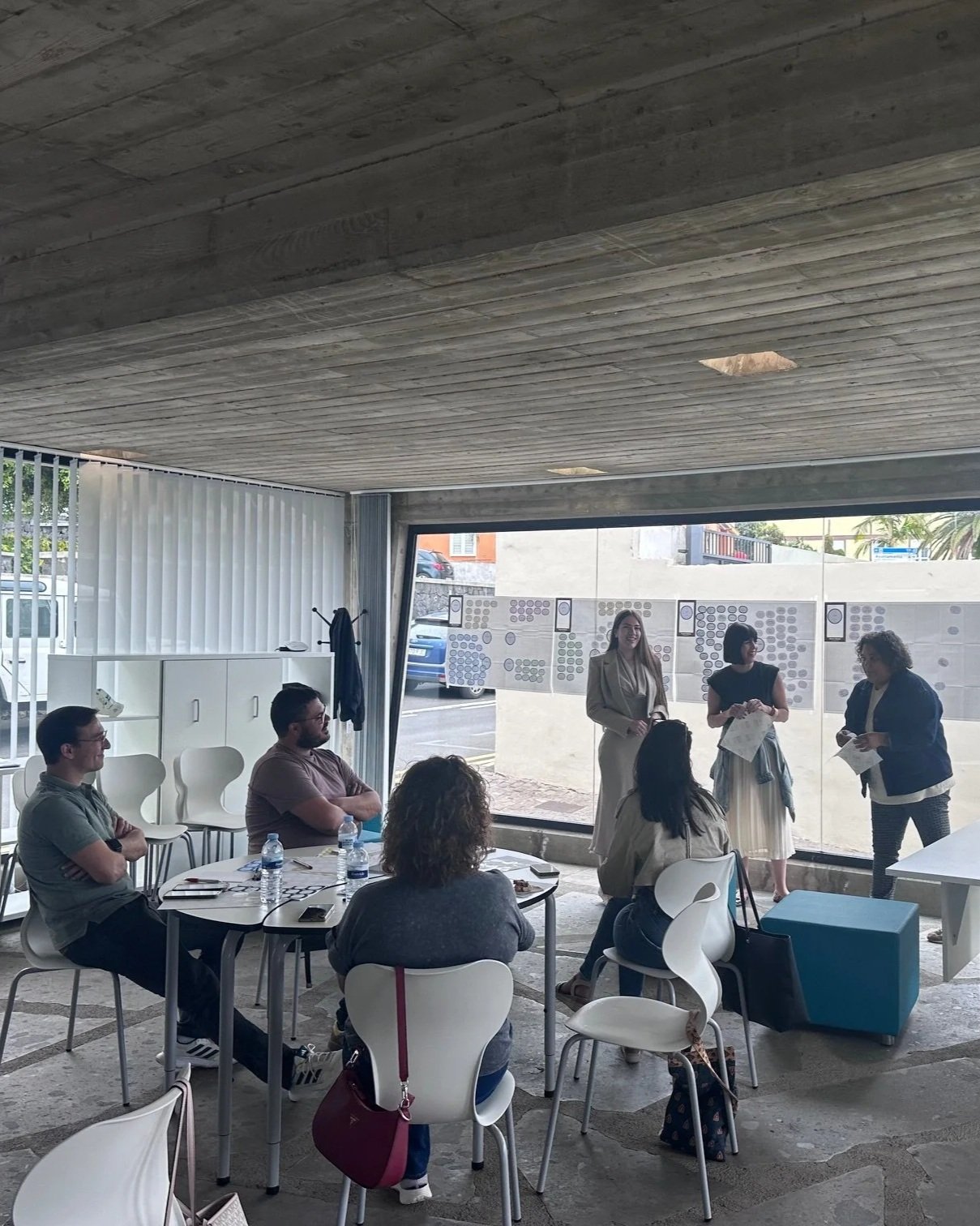
Last week, I participated in a two-day workshop on wine tourism in the Canary Islands. I left thinking less about wine, and more about how destinations invite people to actually engage with place.
As someone with family roots in Tenerife, I've seen firsthand how deeply tourism shapes the island. It's impossible to ignore the economic importance of visitors, but the strain is just as visible: priced-out housing, rising costs, and increasingly congested public spaces.
Much of Tenerife's tourism marketing focuses on beaches and year-round sunshine, but the island’s unique draw, in my opinion, is its culture, volcanic landscapes, and agriculture. If those elements were more central to the visitor experience, would people travel differently?
The workshop pushed me to reconsider how we design visitor experiences. Instead of marketing wine tasting as a stand-alone activity, what if visitors paired it with participating in the vendimia (the traditional grape harvest)? Or joined a hands-on workshop in cordón trenzado (a centuries-old method of braiding grapevines native to Tenerife)? Rather than treating a vineyard as a backdrop for consumption, these experiences invite visitors to participate in a living tradition. Could that shift strengthen cultural resilience? Would that make tourism more sustainable?
Which leads to my next question: how do you celebrate local businesses and “off-the-beaten-path” places without exposing them to the very pressures you’re hoping to avoid? I don't have an answer yet, but it's a question I'll continue exploring as I design itineraries for guests staying at Casa Garimba. Maybe sustainable tourism isn’t about managing where people go, but redefining how they are invited to show up.
SOIL UNDER MY FINGERNAILS
5.6.26
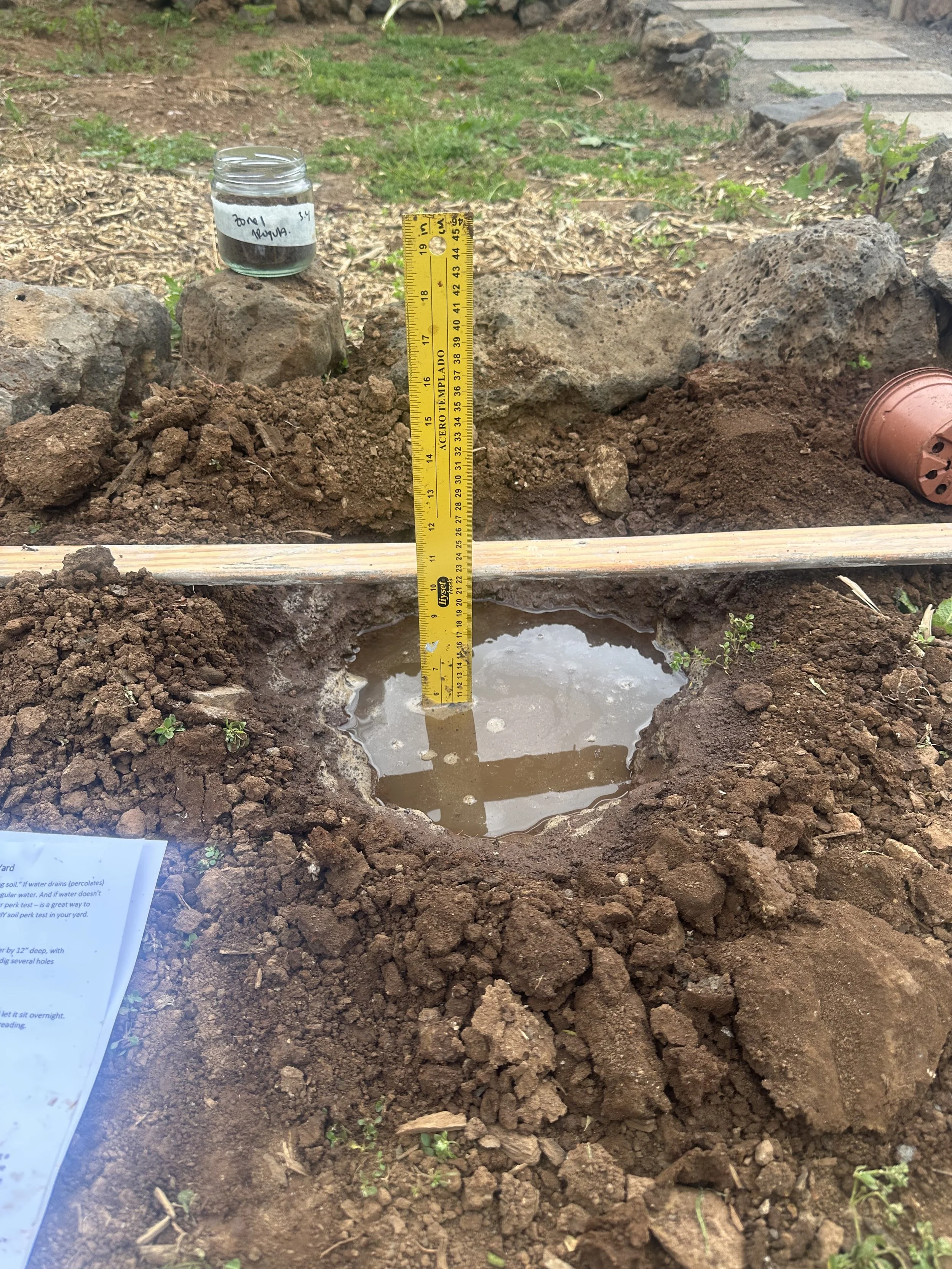
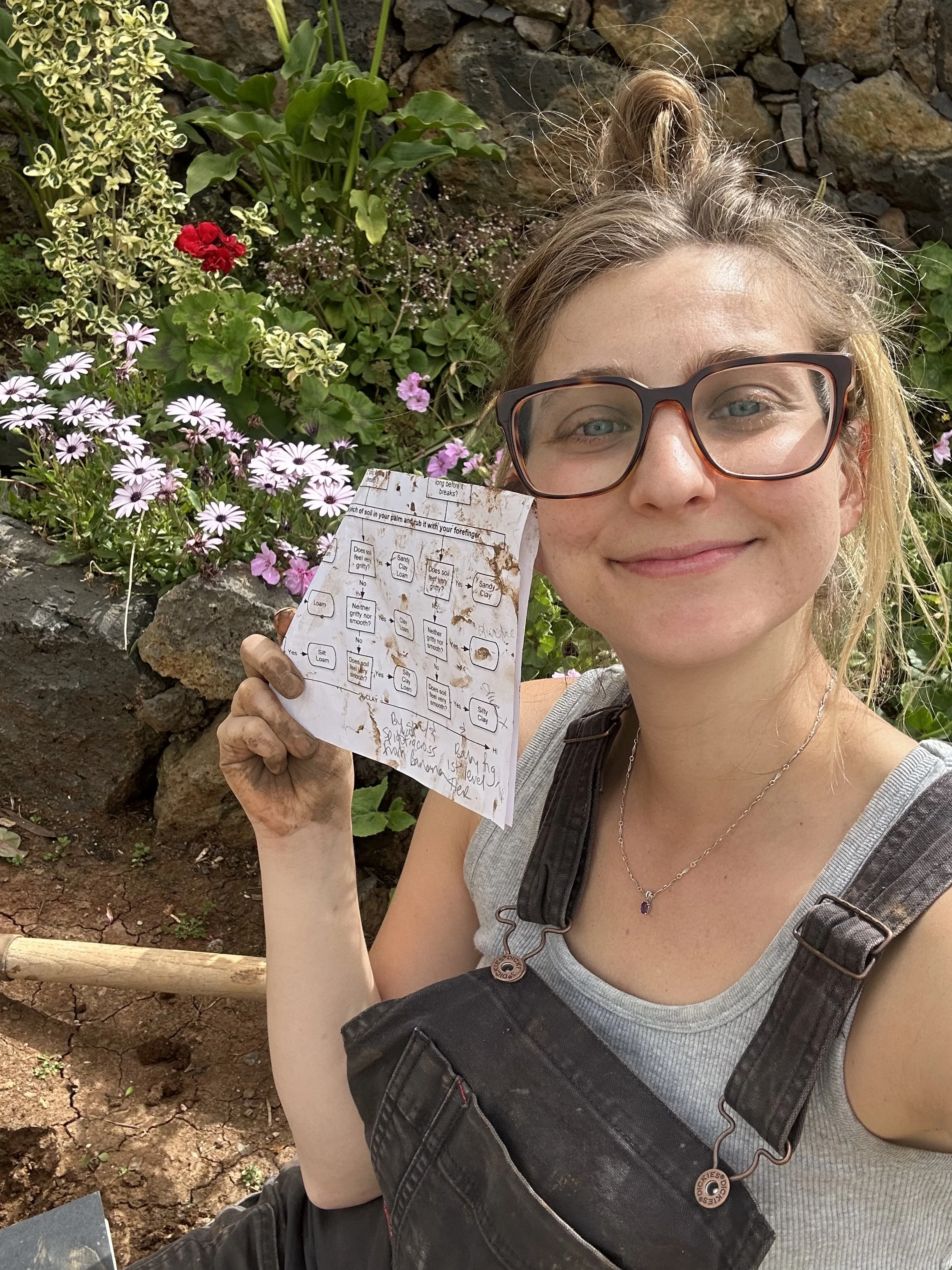
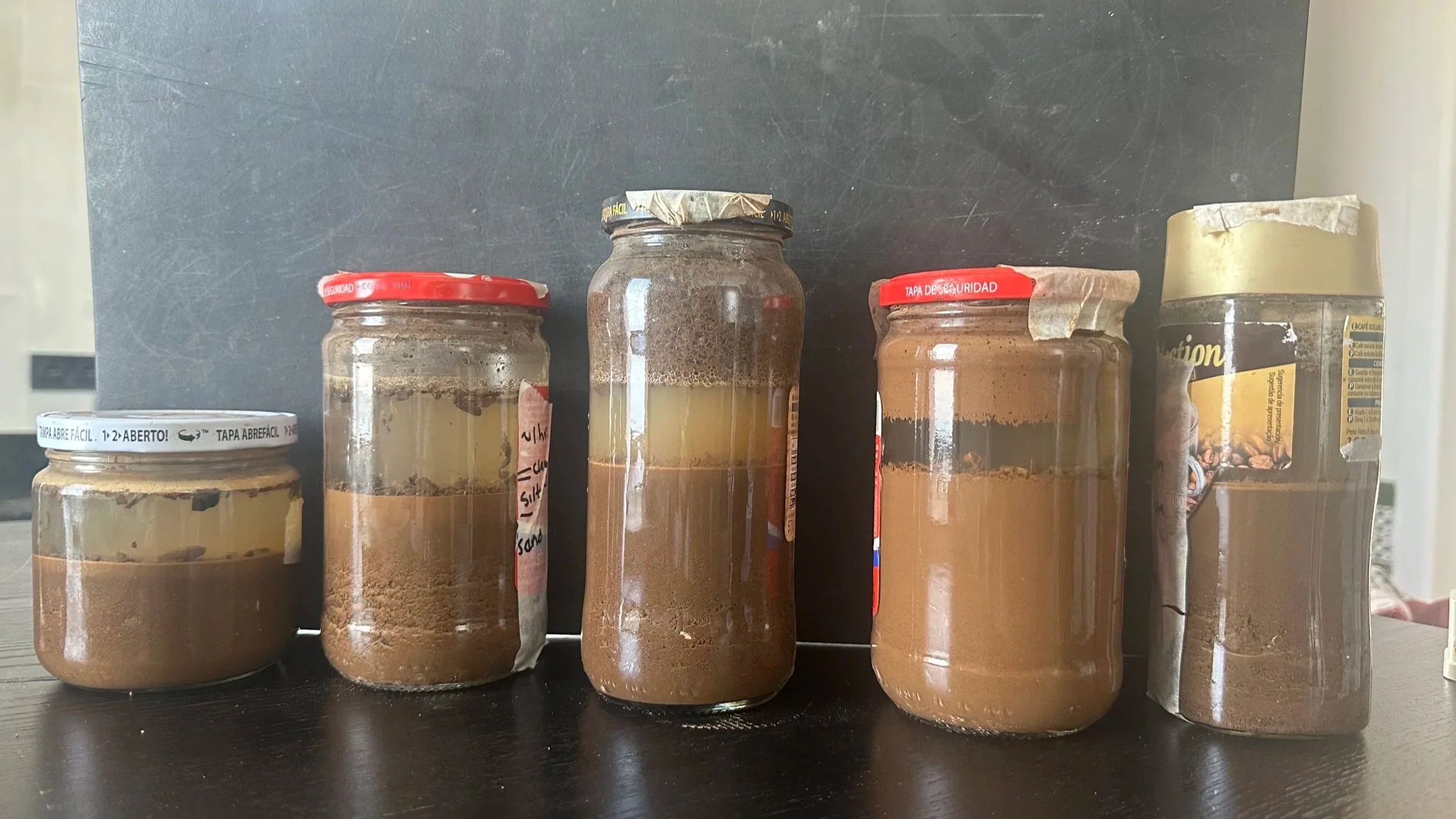
After several sets of soil jar tests, feel tests, and a percolation test, I discovered Casa Garimba’s soil is predominantly sandy loam with an average infiltration rate of 1.68 inches per hour. Given the property's steep slopes, exposure to Atlantic trade winds, and periodic calima events, bare soil presents a serious erosion risk. The results of my analysis raised a legitimate management question: should I aggressively remove the existing weeds, or leave them in place for now as living ground cover? While the current vegetation isn't necessarily what I envision long-term, it's already performing an important ecological function by protecting the soil surface.
The next question to explore is why the soil regularly cracks despite a relatively normal infiltration rate. I’m also curious to look into whether that pattern is related to the low nitrogen, phosphorus, and potassium levels revealed by the soil tests. In the meantime, my management strategy is simple: prioritize ground cover, add homemade compost mulch, and remove vegetation only where necessary.
WHY IS IT ALWAYS WINDY & WET HERE?
4.8.26
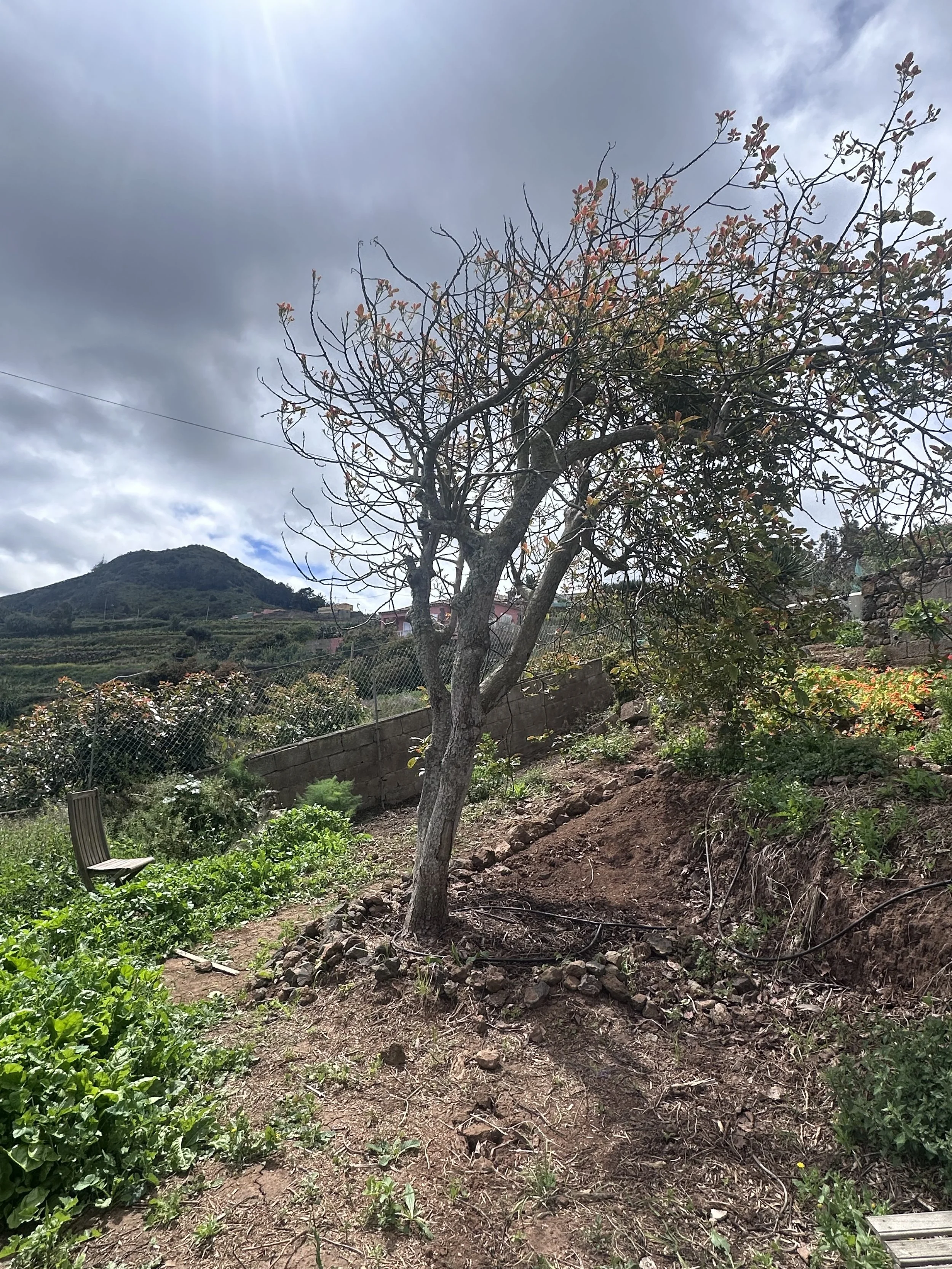
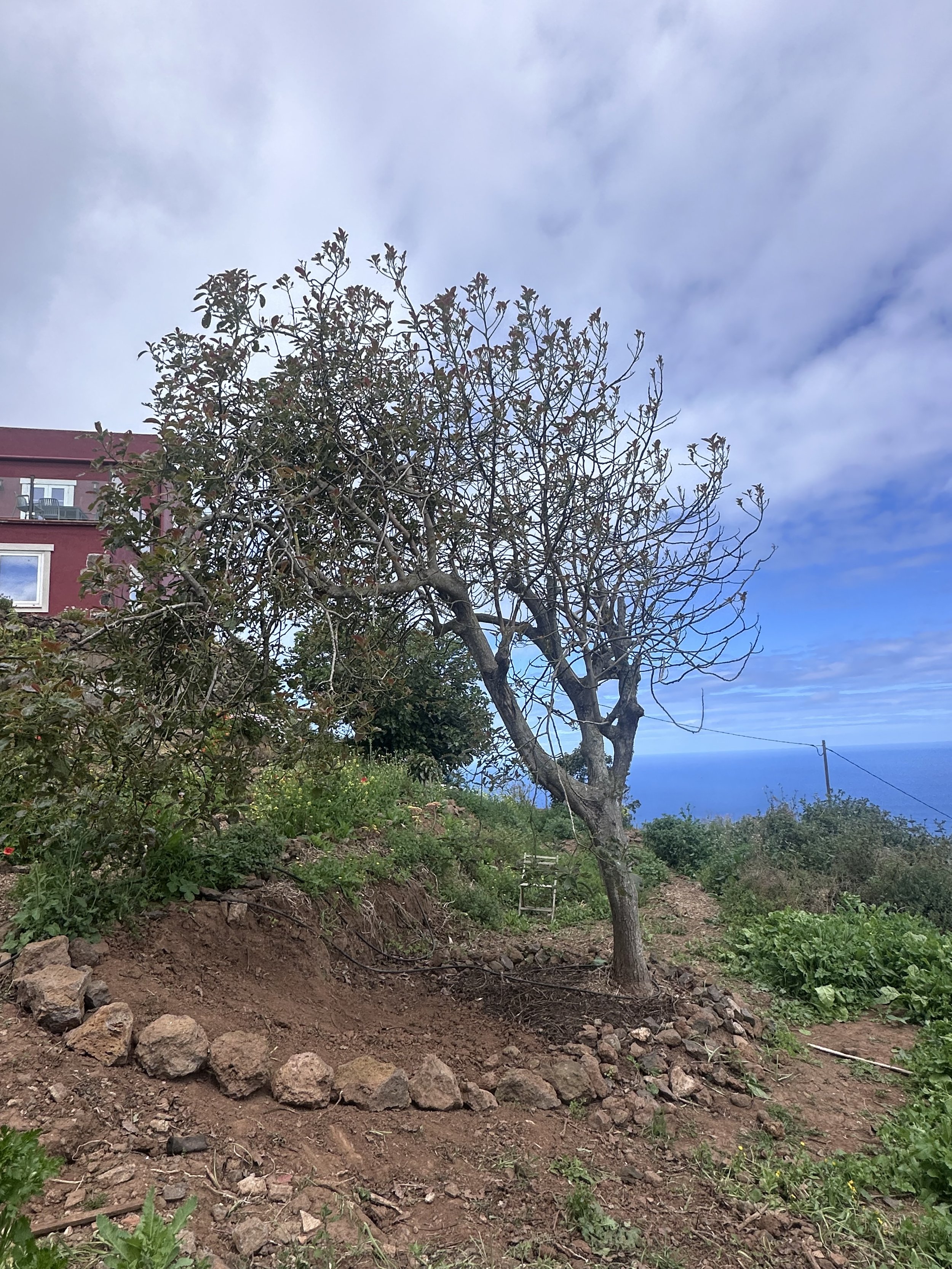
One of the first things I noticed at Casa Garimba was the persistent wind and low cloud cover that seemed to sit directly at the property level but disappear lower on the mountain. Casa Garimba sits between 1521-1572 ft elevation and its microclimate is heavily dictated by NE trade winds coming from the Atlantic Ocean. That wet wind is forced upward by the island’s topography, causing orographic cooling and dense cloud cover. On-site, the wind’s impact is easy to spot: smaller canopies, torn leaves, and stunted growth along the property’s northeastern edge. It’s becoming clear that this property will need a strong windbreak to slow and lift the incoming wind.